Native and Diasporic Communities in Idaho
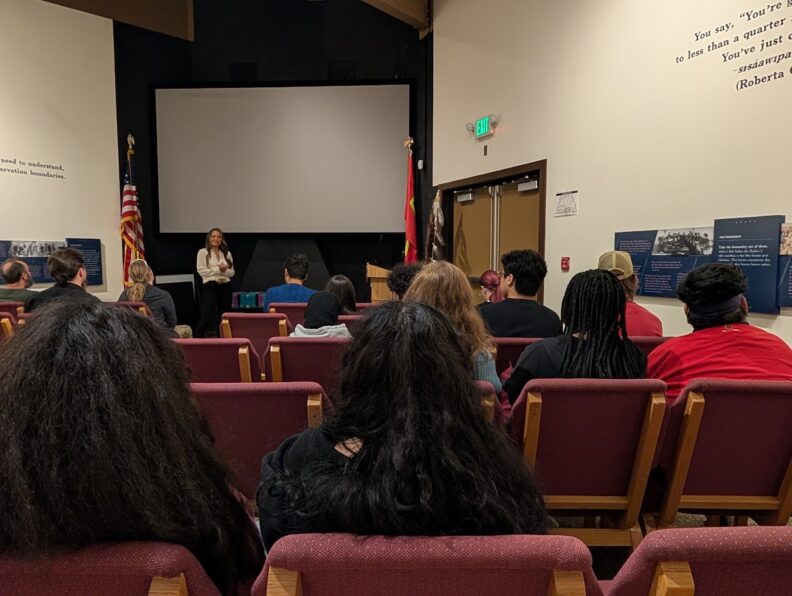
This year, our fully funded, faculty-led field trip gave students the chance to learn about the Nimiipuu and Basque communities in Idaho.
This field trip was made possible through the generous support of the Honors College, the Department of History, the Department of English, the David G. Pollart Center for Arts and Humanities, the Multicultural Student Services and Chicanx Latinx Student Center. Thanks to their support, our students were able to explore and learn beyond the classroom.
Our students, accompanied by our faculty Sonia López-López, Begoña de Quintana Lasa, Vilma Navarro-Daniels and emerita Sere Previto, visited:
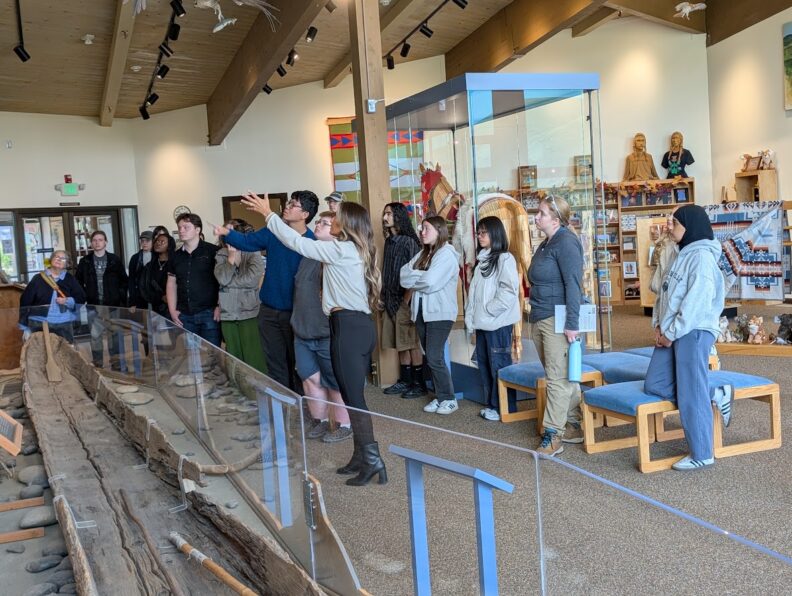
- The Nez Perce National Historical Park and Museum
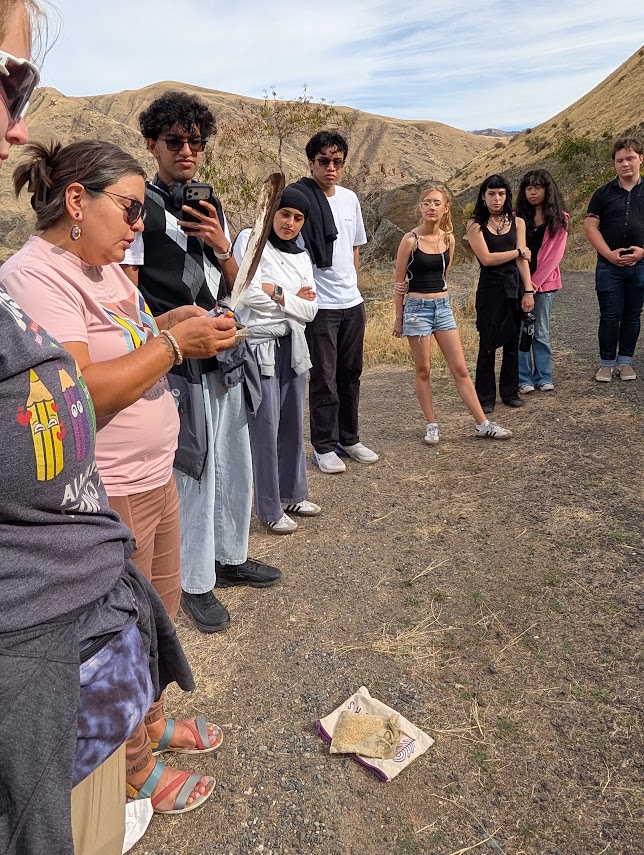
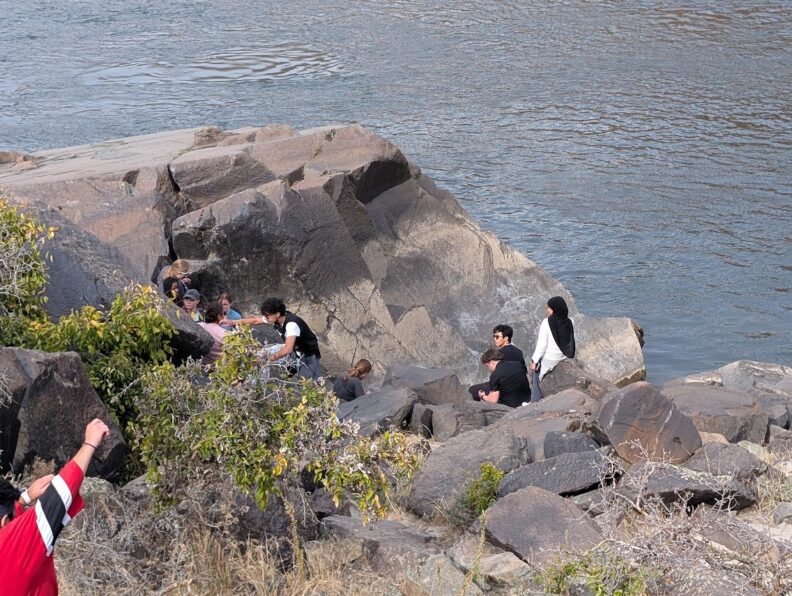
- ˀilaˀqatp’áatpa (Buffalo Eddy) Petroglyph
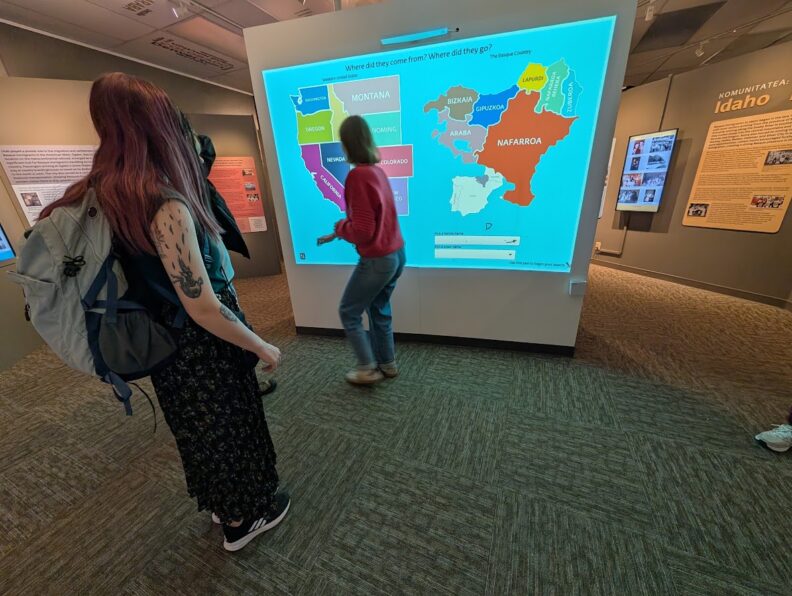
- The Basque Museum, Jacobs-Uberuaga Boarding house and Pelota Frontón
- The Boise Art Museum
- Walla Walla tribe member James Lavadour’s Land of Origin exhibition
- Anne Frank Human Rights Memorial
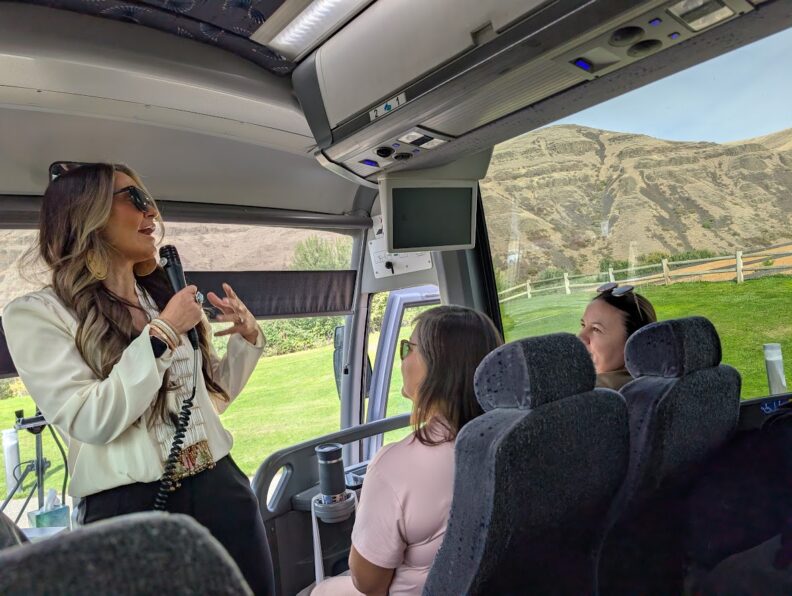
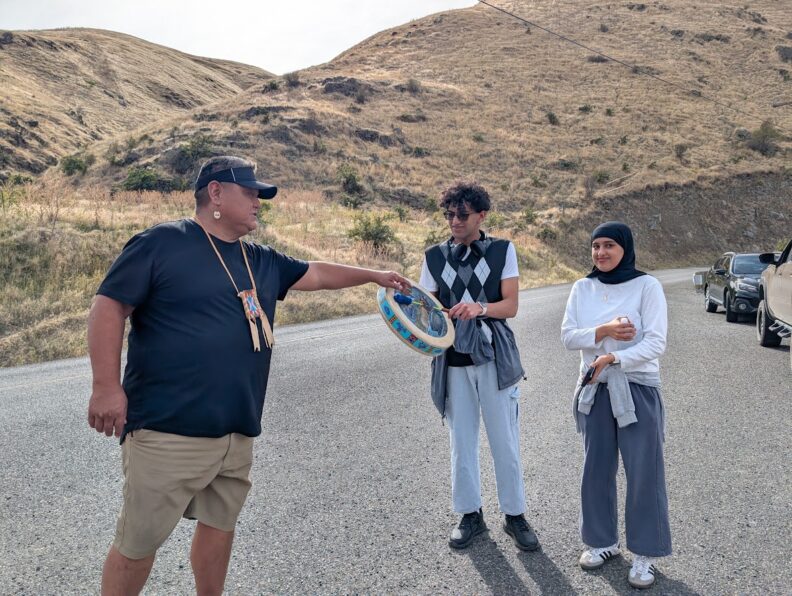
On Friday, we visited the The Nez Perce National Historical Park and Museum and the ˀilaˀqatp’áatpa (Buffalo Eddy) Petroglyph, guided by members of the Nimiipuu tribe. During this tour we learned about the history of the Nimiipuu, such as the original extent of their ancestral lands and what they refer to as the “Thief Treaty” of 1863; explored the way they utilize both their ancestral knowledge and cutting-edge science to be better stewards of the land, ensuring, for instance, the survival of the salmon affected by the construction of dams; and heard legends and stories attached to landmarks along the Snake River to ˀilaˀqatp’áatpa.
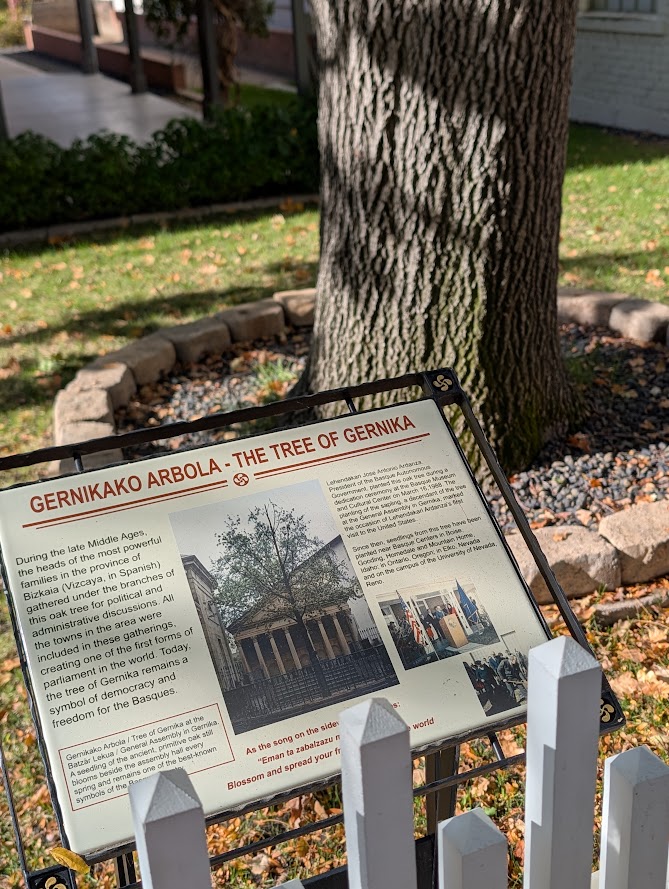
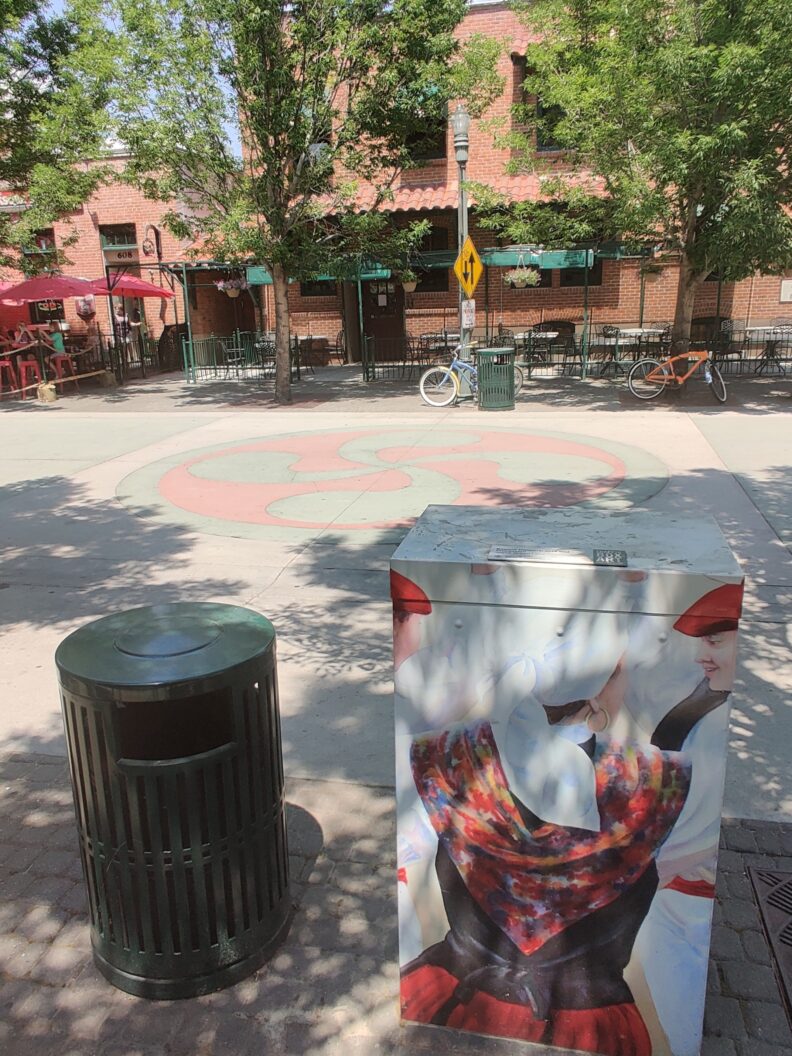
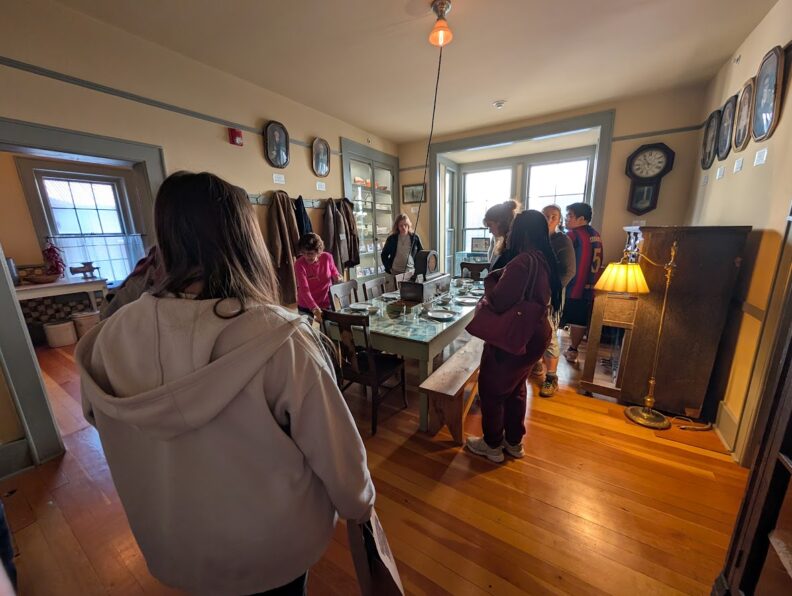
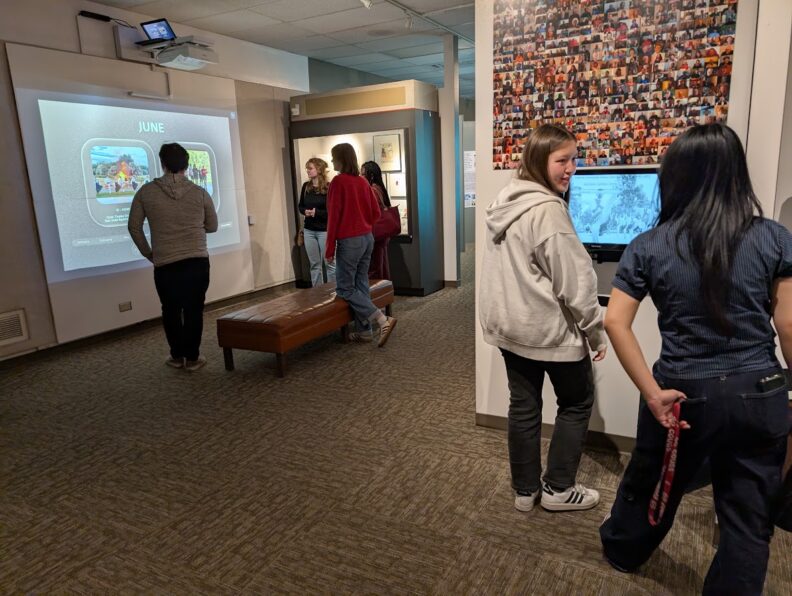
On Saturday, we explored the Basque Block in downtown Boise. We visited the The Basque Museum, the Jacobs-Uberuaga Boarding house and the Pelota Frontón, where students could try their hand at the sport. We learned about this small region between Spain and France, the fight to keep the culture and language alive, and the people who immigrated to Idaho in search for a better life or escaping political persecution.
After lunch, we visited The Boise Art Museum, where students enjoyed a variety of exhibitions, most relevant of which was Walla Walla tribe member James Lavadour’s Land of Origin, whose paintings of central Washington landscapes were reminiscent of the landscapes we had connected with the day before.
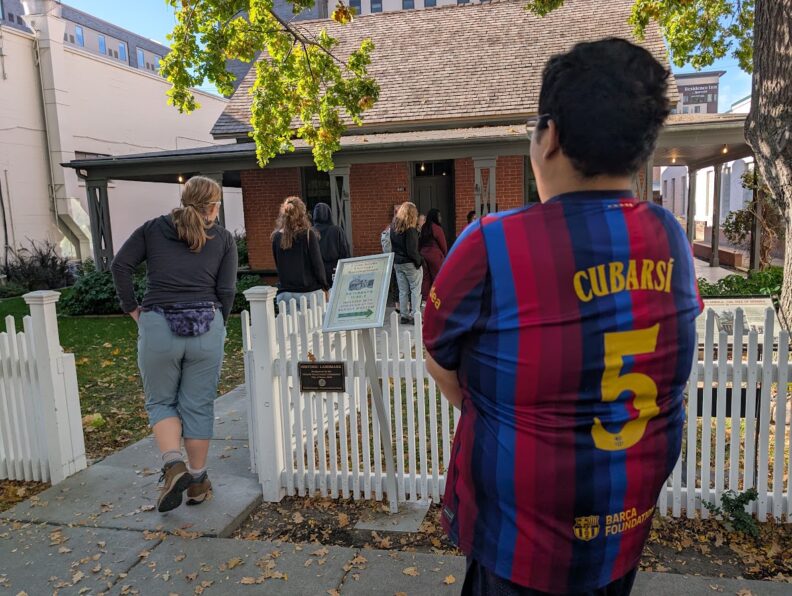
Finally, we visited the Anne Frank Human Rights Memorial, which allowed us to reflect on the histories of these communities, as well as the different ways in which each of them -and so many other communities in the US- was either rejected or accepted, marginalized or celebrated, othered or assimilated; as well as the importance of narrative and who controls it.
Learn about previous field trips!
2025 field trip to Seattle: Asian Cultures, Arts, and History