News and Achievements
Dr. Xinmin Liu, Associate Professor of Chinese-Pullman, has co-edited with Dr. Hua Li (Professor of Chinese at Montana State University) the volume Ecocriticism and Speculative Fiction in East Asia (Palgrave MacMillan, Palgrave’s Springer Nature Series). From the publisher website: “This volume illustrates Asian speculative fiction’s potential to interrogate and inspire humanity’s ecological and ethical responsibilities, seeking to fill a major lacuna in previous academic literature around ecocriticism in speculative fiction. Contributions are thematically organized into three sections —Human-Nature Co-evolution and Ecomedia, Technologies and East Asian Heritage, and Posthuman Ecology. Chapter authors draw on global viewpoints to provide a multi-dimensional analysis that includes Indigenous knowledge, trans-local (inter-Asian) exchanges, and perspectives from the Global South. To end, the book provides a reflection on how speculative fiction promotes a vision of interconnected kinship among humans, the nonhuman, and the natural world.” Ecocriticism and Speculative Fiction in East Asia: Rethinking the Human | Springer Nature Link
 Dr. Carmen R. Lugo-Lugo, Professor of Comparative Ethnic Studies in the Vancouver campus, published her second short story. The story is titled “La oscuridad” and appears in the Spring 2026 issue of the refereed journal Label Me Latina/o. The issue and the short story can be accessed here.
 Dr. Mary Bloodsworth-Lugo, WSU Vancouver, published a review of The Reflective Age: Nostalgia at the End of History (Rutgers University Press, 2025) by Zachary Griffith in The Journal of Popular Culture.
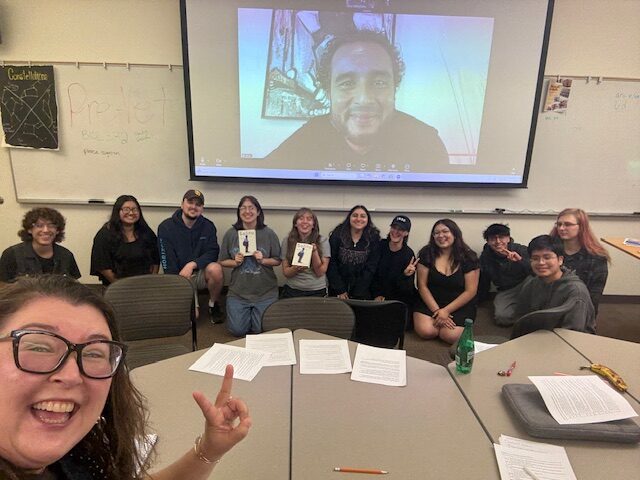 Amy Hernandez Matsumoto, Adjunct Faculty of Spanish, Vancouver campus, organized an interview with author Javier Zamora, best known for his NYT bestselling memoir Solito (2022). In her own words:In Spanish 203 of course we went through all the grammar points, but we also used the memoir Solito by Javier Zamora as text to teach los mandatos, las preposiciones, el futuro, etc. And, today, as part of the final, the students had to ask Javier, in Spanish, interview questions that they came up with. Aside from the fact that I’m a huge fan of this NYT Bestselling author and top 15 memoir books of the last 30 years, he was so real and interactive with our students and represented many of our heritage Spanish speakers that take my class as first generation students. It was absolutely a beautiful moment.
 Dr. Mike Hubert has been elected to the Faculty Status Committee (FSC). His three-year term will begin on August 16, 2026. The FSC is a very important committee and very valuable service at university level. “The Faculty Status Committee (FSC) is an independent investigative faculty committee that reports and makes recommendations directly to the president. The FSC deals with disputes between faculty and administration and among other functions deals with appeals of tenure and promotion decisions on certain grounds” (Faculty Status Committee | Faculty Senate | Washington State University).
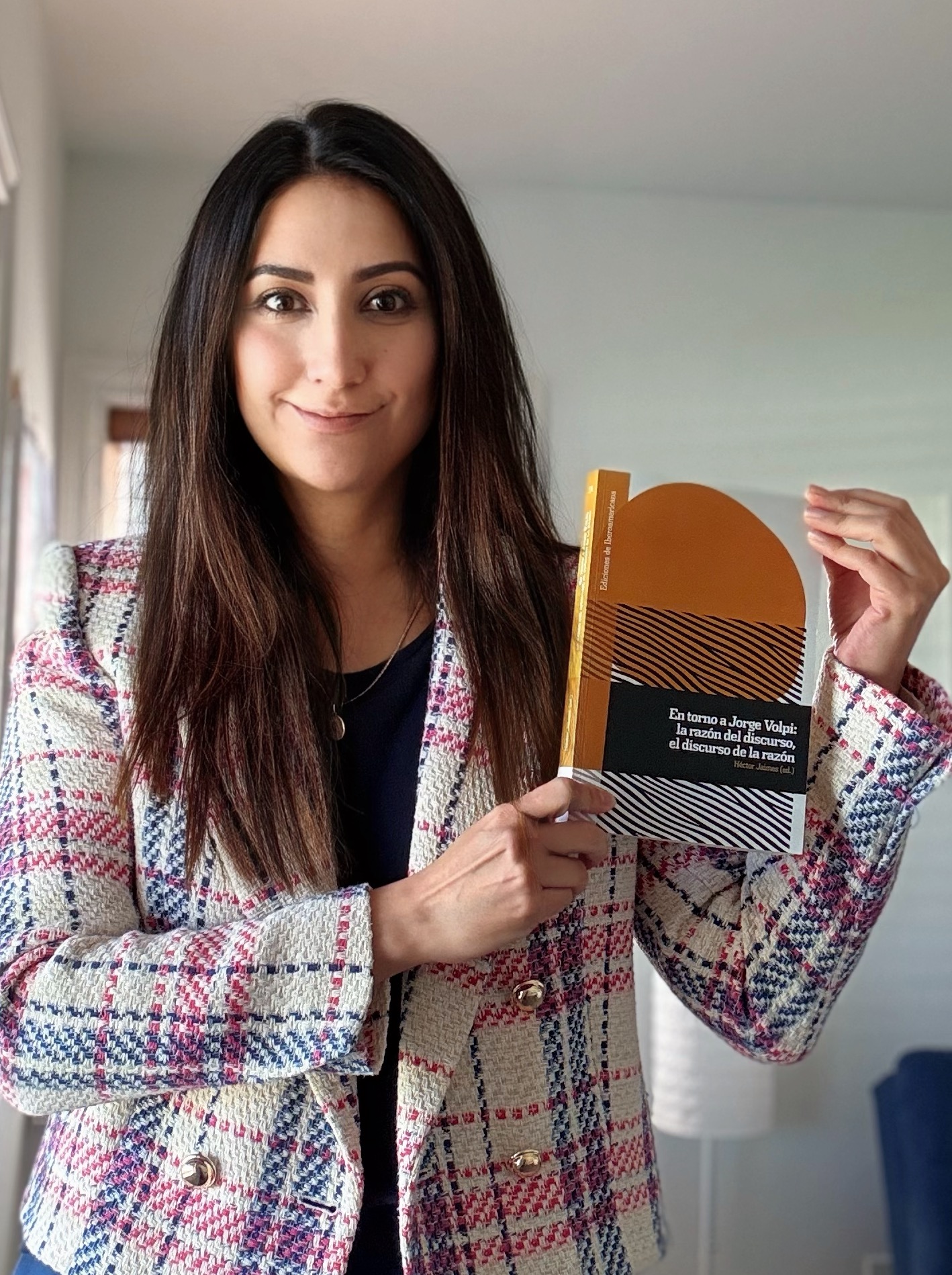 Dr. Etna Ávalos, Assistant Professor of Spanish, authored the chapter, “Partes de guerra como contra-archivo afectivo en el contexto de la violencia de género,” which appears in the edited volume En torno a Jorge Volpi: la razón del discurso, el discurso de la razón (Héctor Jaimes, ed.), published by Iberoamericana-Vervuert (2026). In this chapter, Dr. Ávalos analyzes Jorge Volpi’s novel Partes de guerra (2022) through the lens of affect theory and archive studies. The novel interweaves two narratives: the story of Lucía, a psychologist marked by domestic violence and neurological illness, and the feminicide of Dayana, a fourteen-year-old girl in Chiapas. The essay argues that the novel functions as an affective counter-archive, which is a narrative device that challenges official records and institutional silences around gender-based violence in Mexico by depicting the body as a site where trauma is both inscribed and testified. Drawing on Derrida, Cvetkovich, Segato, Caruth, and Sara Ahmed, the chapter examines how Volpi’s fragmented structure, generic hybridity, and non-linear temporality transform writing into an affective practice of resistance.
 Dr. Samuel Ginsburg just published Untouched: Speculative Visions of Quarantine in the Fiction of Maielis González and Brenda Peynado in Caribbean Studies. Quarantine fiction has emerged as an important genre for understanding the physical, emotional, and social consequences of the COVID-19 pandemic. These stories highlight both personal struggles and the inequalities within the shared experience of sheltering in pace. Two Caribbean authors, Cuban Maielis González and Dominican American Brenda Peynado, offer two versions of quarantine fiction that reframe popular understandings of health, safety, and personal responsibility, while questioning the utility of technology in maintaining humanity and connection. In González’s Ni Vivos ni Muertos, a woman revels in her imagined illness and impending death in a way that challenges official rhetoric concerning the public health crisis. In Peynado’s The Touches, quarantined subjects eventually give in to their thirst for intimacy, highlighting the roles of fear and risk in infection mitigation. Both stories use speculation to highlight the ways that quarantine forces people to rethink concepts of the home, the body, and the outside.
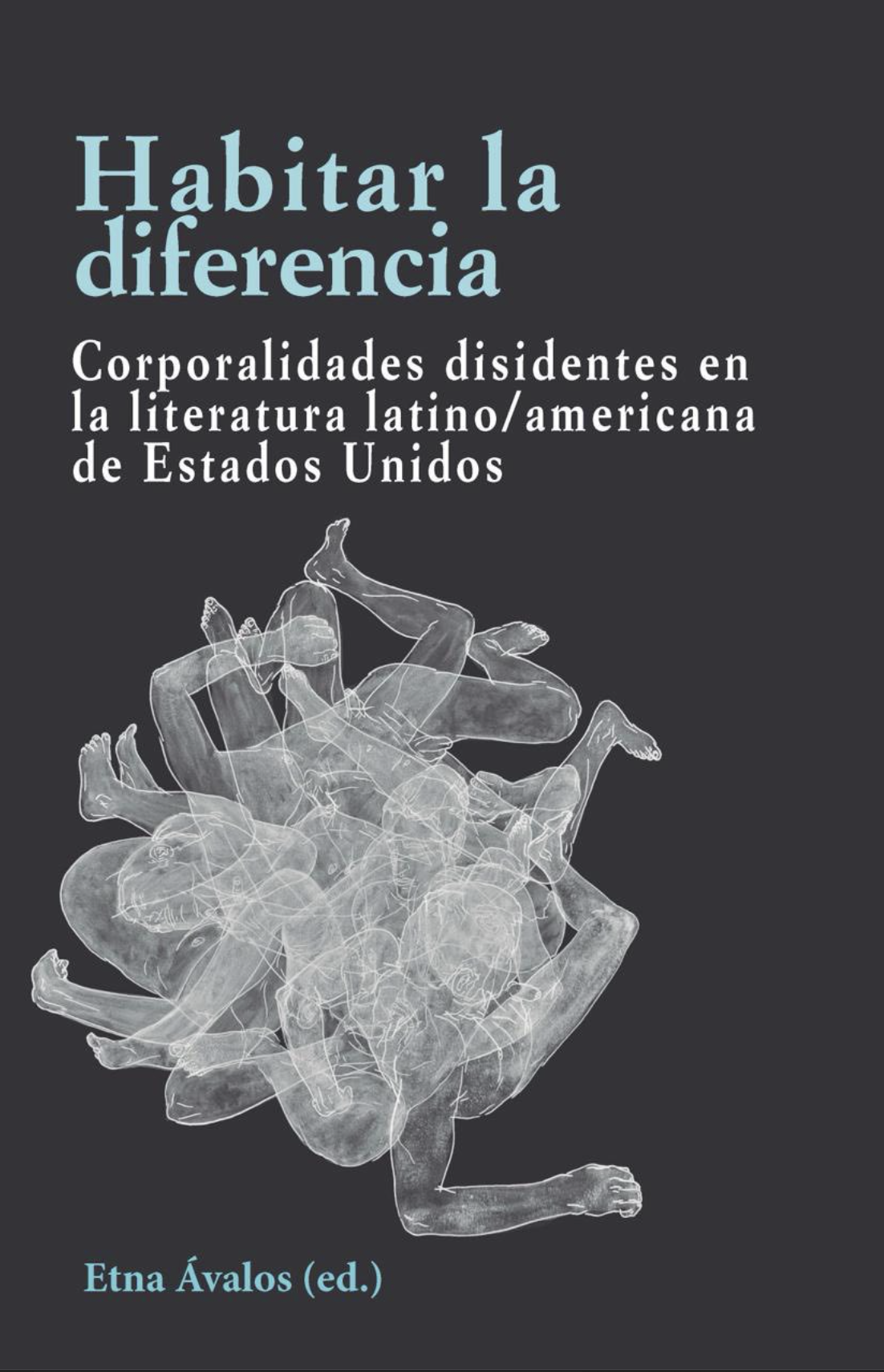 Dr. Etna Ávalos has published the book Habitar la diferencia: corporalidades disidentes en la literatura latino/americana de Estados Unidos. The book examines how Spanish-language literature produced by immigrant authors in the United States uses the body as a critical lens to interrogate difference. The volume brings together essays that explore how bodily experiences —disability, illness, racialization, gender, sexual dissidence, migration, political violence, and socioeconomic precarity— intersect with language to create a space of resistance and belonging. Organized in three parts, the book moves from memory and writing, through gender violence and corporeal disobedience, to the linguistic and cultural dimensions of literary circulation. The essays show how writing in Spanish in the United States constitutes both a political act and an affirmation of identity, placing embodied difference at the center of contemporary debates on migration.
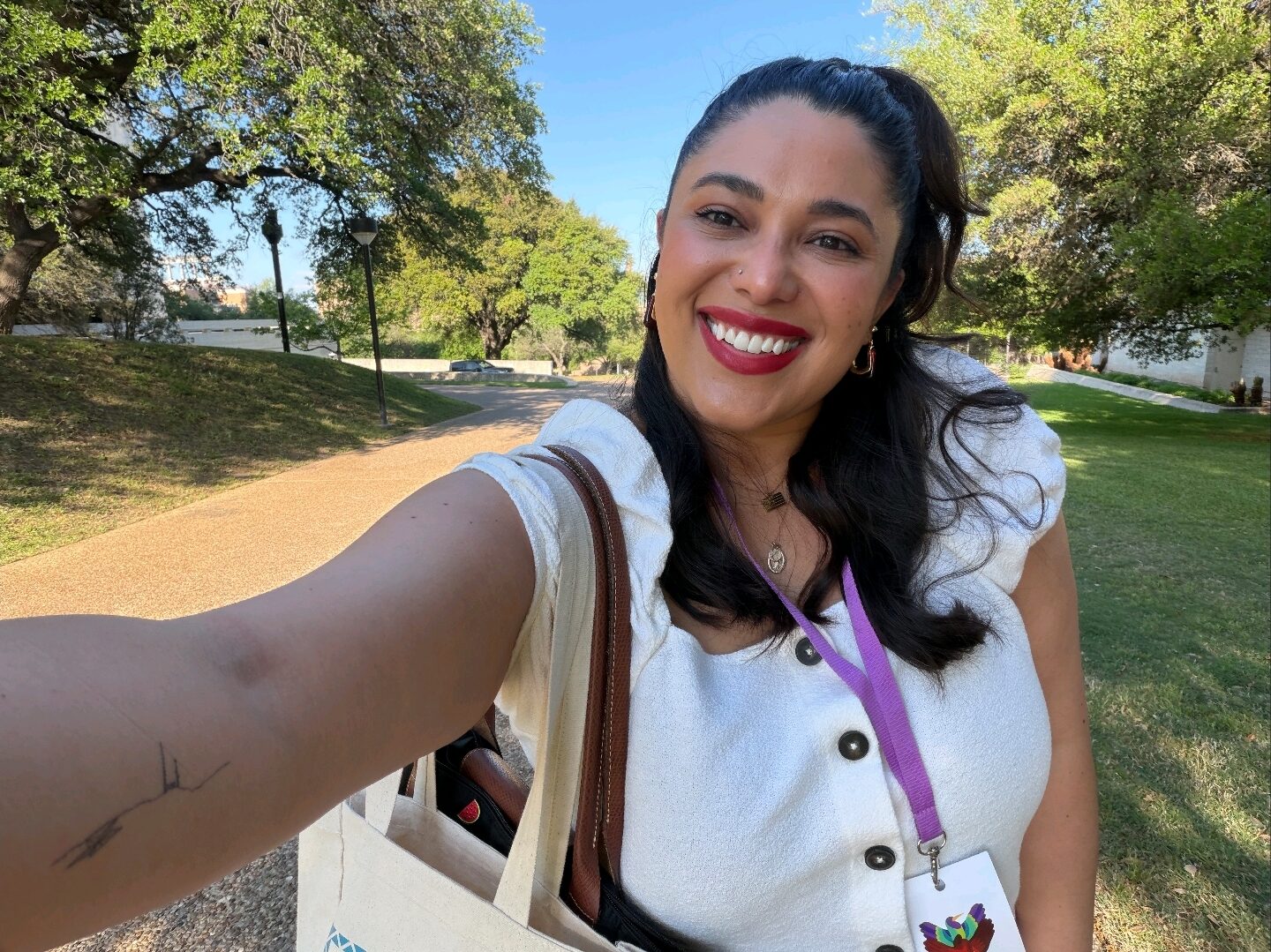
Our graduate student Kassandra Castillo presented her paper “Interpretations of Bodies After Death: Using Conocimeinto and Testimonio” at LSA (Latinx Studies Association Biennial Conference) in Austin, TX. Drawing from the work in Social Death: Racialized Rightlessness and the Criminalization of the Unprotected by Lisa Marie Cacho and Venus in Two Acts by Saidiya Hartman, where racialized bodies are deconstructed by challenging the lens of dehumanization that the U.S. has on BIPOC communities, I argue that these scholars are highlighting the importance of feminist epistemologies with the use of testimonio and what Gloria Anzaldúa calls conocimiento. The significance of reexamining these pieces is necessary and I resist saying “now more than ever” because we have always needed each other, when considering the unfortunate reality of today’s political climate and the threat to life on the people of our community by way of Immigration and Customs Enforcement or ICE. Particularly, the point of being in conversation with these authors and understanding the role of feminist epistemologies in their work, is to show how we have these frameworks that solidify the intentionality and care that, especially by women of color scholars, is taken when discussing death.
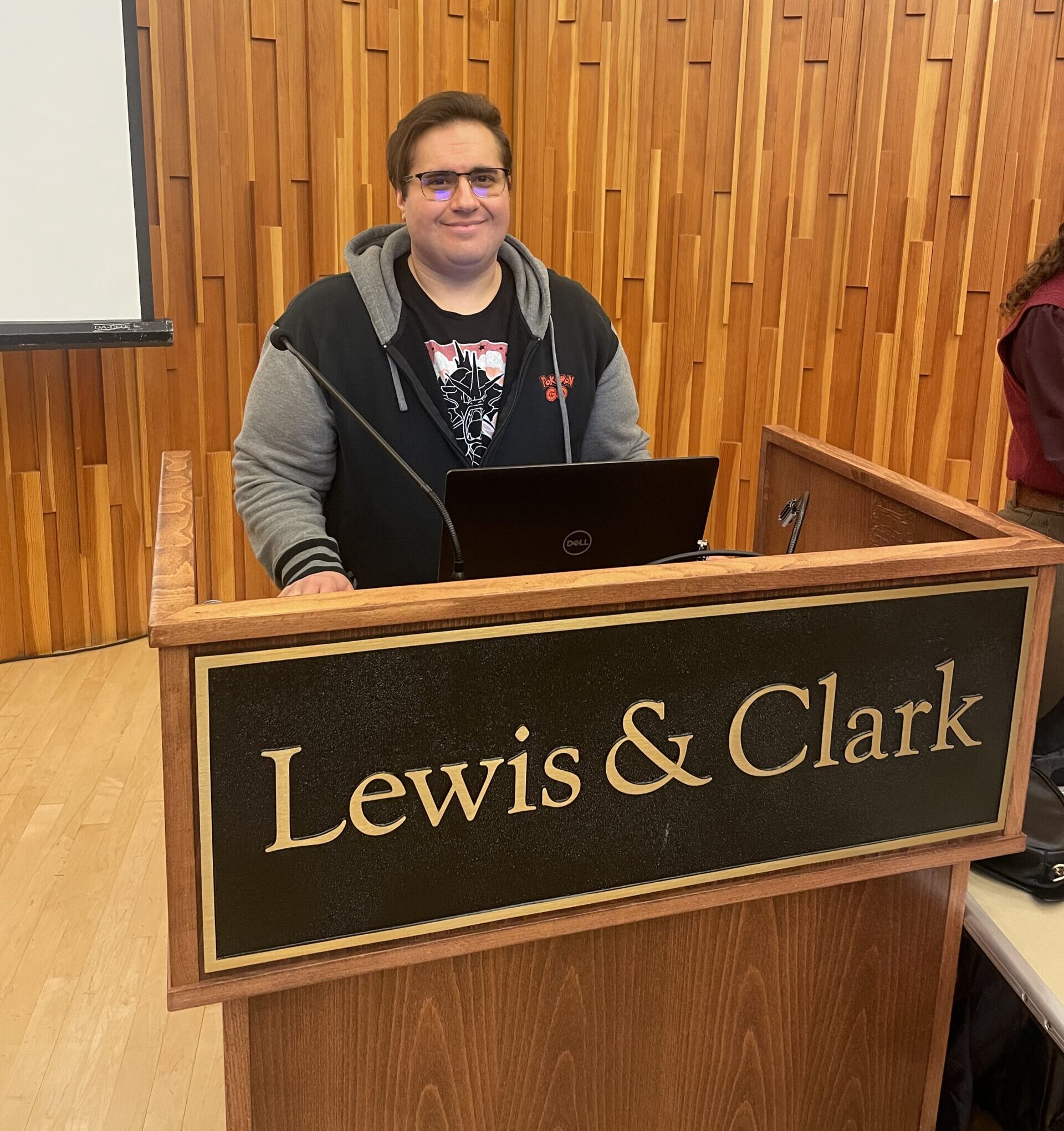 Our graduate student Raymond Lindquist presented his paper “Out of the Closet and Into the Fray: What I’ve Learned about Queer Joy, Resistance, and Existence Playing Dungeons & Dragons Across Unprecedented Times” at Lewis and Clark College´s 45th Annual Gender Studies Symposium, and “Dungeons & Dragons as Mutual Aid Formation & Resistance” at WSU´s Palouse Queer Studies Summit.
 Dr. Etna Ávalos, Assistant Professor of Spanish, has published her article “La Recta Provincia and the Logic of Resistance: Magic as Decolonial Heterotopia in the Film Brujería (2023),” in The Latin Americanist, 70.1, pp. 27-42. In her article, Dr. Ávalos argues that magic in the film constitutes a heterotopic space (M. Foucault) that disrupts colonial logic and enables alternative ways of being and knowing. Divided into three parts, this research work explores: (1) magic as epistemology, which challenges Western paradigms and generates alternative modes of knowledge; (2) magic as justice, which explores the use of magic in the Indigenous legal system; and (3) magic as territory, where physical and symbolic places resist the colonial hierarchies and mechanisms of domination.
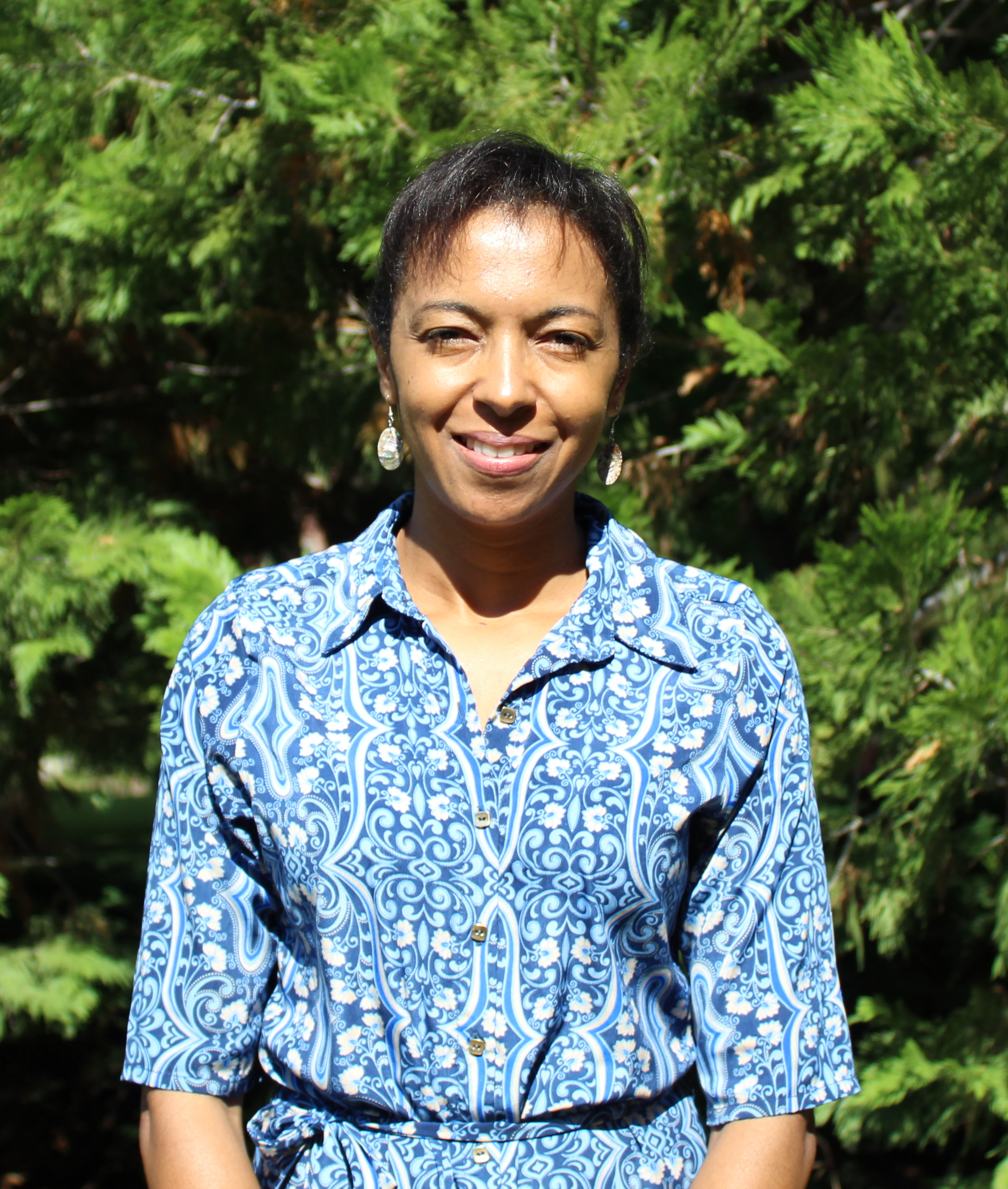 Sandra Mina-Herrera, a WSU College of Education, Sport, and Human Sciences doctoral student who obtained her Masters of Arts in Foreign Languages & Cultures in SLCR, has worked with Researchers at the Honey Bee and Pollinators Program to produced a new video series for novice keepers titled ABEJAS, or Aprendizaje Basico y Experto en Jornadas Apicolas Sostenibles (Basic and Expert Learning in Sustainable Beekeeping). You can read the WSU Insider article about it here.
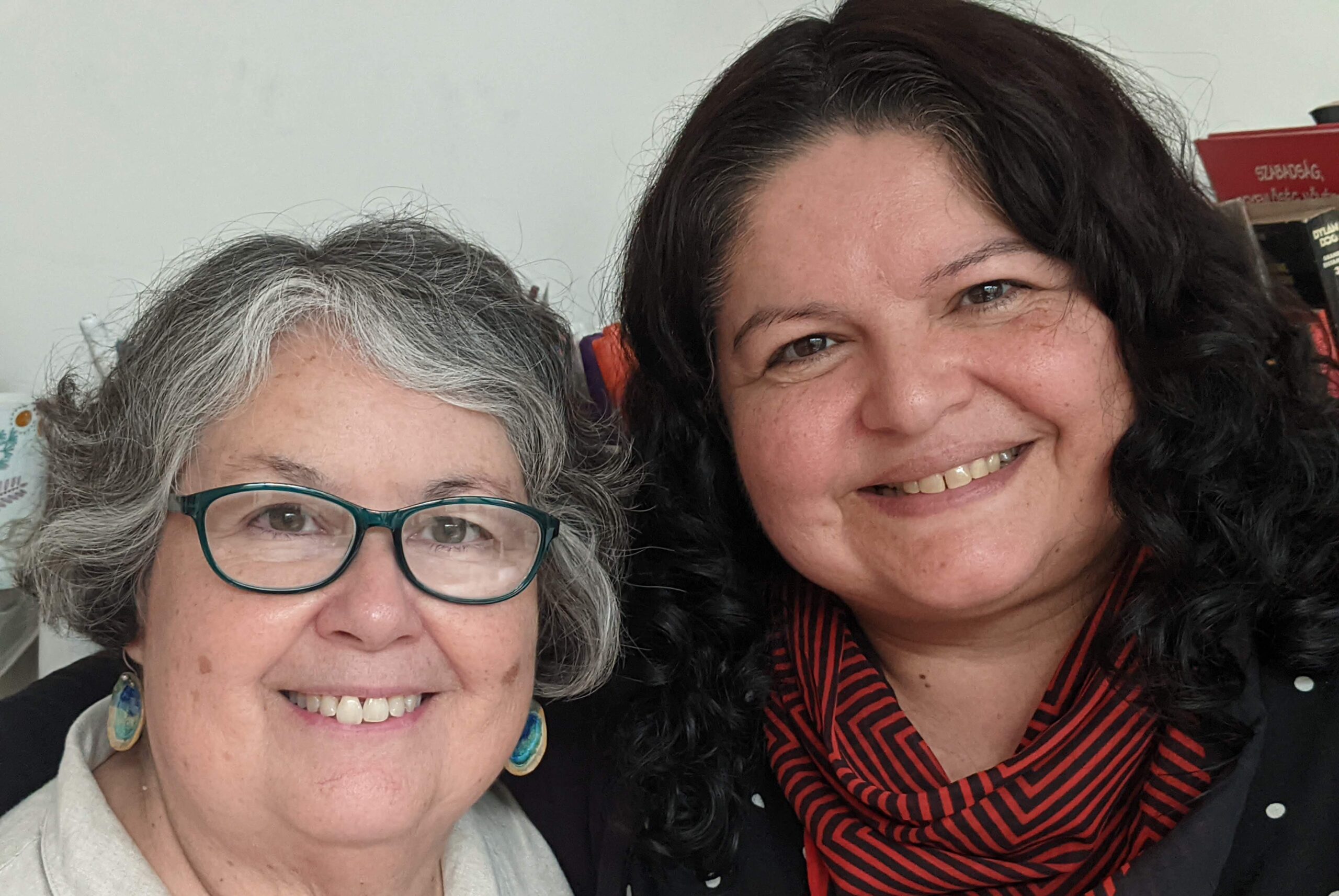 Vilma Navarro-Daniels, Professor of Spanish and Film Studies, has just published a peer-reviewed interview with the internationally acclaimed comic book author Marcela Trujillo (also known as Maliki). During her professional leave in Chile (spring of 2024), Vilma was invited to Marcela Trujillo’s studio in Santiago, where they discussed the development of graphic novels by Chilean women authors, the evolution of Trujillo’s work from autobiography to fiction, as well as the representation of the female body and female eroticism in her comic strips, diaries, and graphic novels. Grande, Maliki!
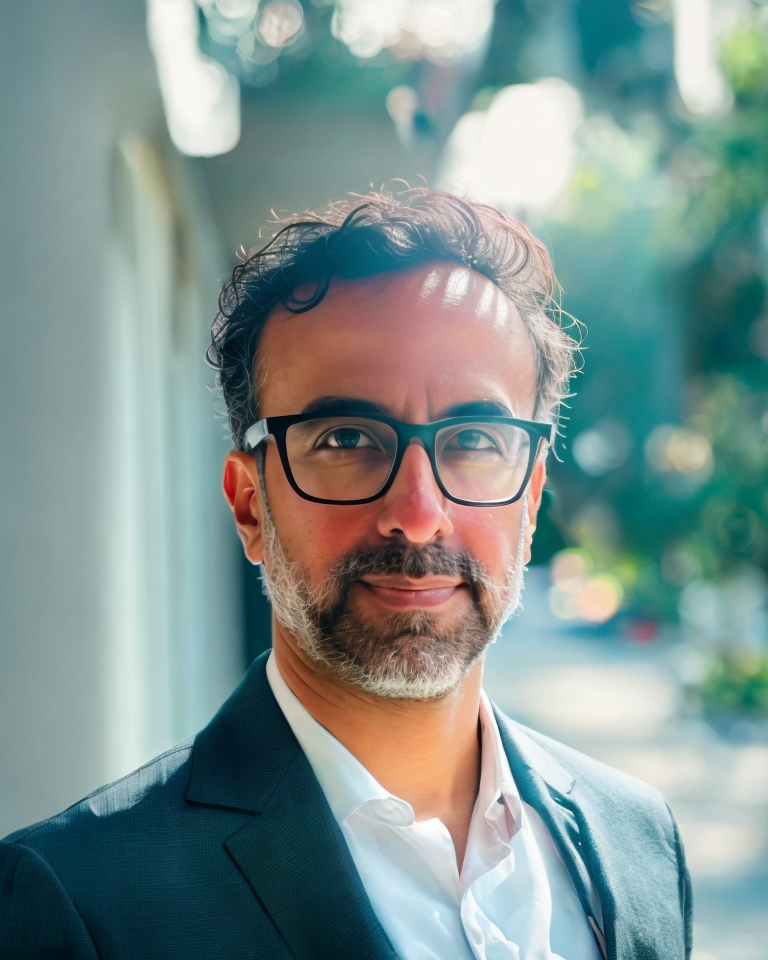 Dr Héctor Rendón has published the paper Information Subsidies in Mexican and U.S. Border State Journalism: Nonprofit Organizations’ Agenda Building in the News Research Journal. You can find the full text here.
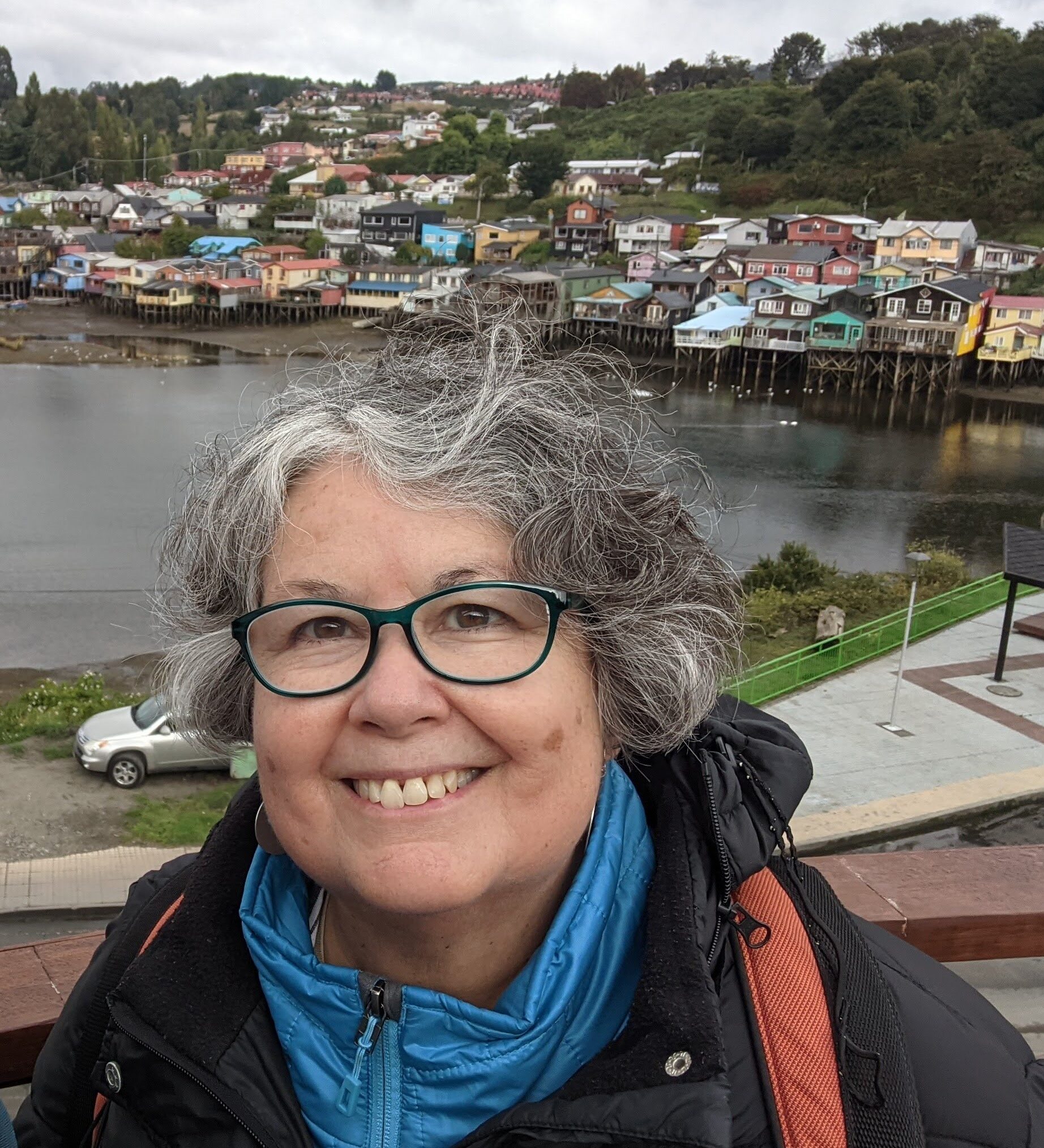 Dr Vilma Navarro-Daniels, Professor of Spanish and Film Studies, has published her research paper, “Heterotopías disidentes: edad, género y sexualidad en La nave del olvido de Nicol Ruiz Benavides” (“Dissident Heterotopias: Age, Gender, and Sexuality in Nicol Ruiz Benavides’s film, Forgotten Roads”) in Ciberletras. Journal of Literary Criticism and Culture, housed by Lehman College and the City University of New York.
In her article, Vilma argues that in her first film –Forgotten Roads (Chile, 2020)—, Nicol Ruiz Benavides uses the variables of gender, age, and sexuality to deconstruct the hegemonic cultural practices and narratives that define the meaning of female aging as a process that produces representations either of fearful individuals who defend traditional values or –from a medicalized perspective— of decaying bodies and minds.
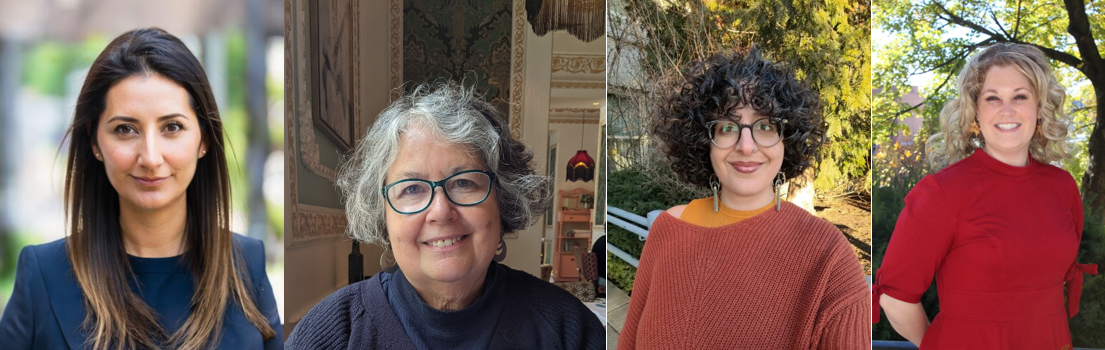
On Friday, January 23, several members of the School of Languages, Cultures, and Race presented their research at the Second International Conference on Literary Research organized by Universidad de La Frontera (UFRO, Chile). Dr. Etna Ávalos presented her paper “Disability as Foreignness: Body, Affect, and Language in Sylvia Molloy’s Desarticulaciones.” Dr. Amanda Hussein read “So, why did she lie? An Analysis of Race, Gender, and Colonized Consciousness of Dominican film, Miriam miente.” Finally, Drs. Begoña de Quintana Lasa and Vilma Navarro-Daniels shared a preliminary draft of their research paper, “Forgiving the Irreparable: The Monstrous and the Sublime in Guillermo del Toro’s Frankenstein.”
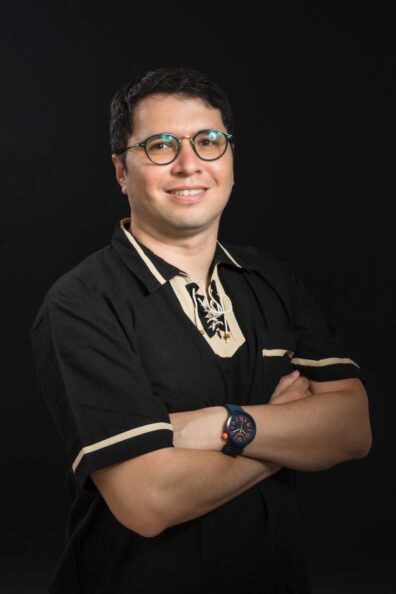 On Thursday, January 22, Dr. Francisco Arellano Serratos –Scholarly Associate Professor, Career-Track, based on the WSU Tri-Cities campus— presented his book, Ecotopías: una crítica radical del futuro (Ecotopias: A Radical Critique of the Future), at the Second International Conference on Literary Research organized by Universidad de La Frontera (UFRO, Chile). Dr. Arellano Serratos’s book was published last year by Publicaciones Festina, Mexico.
 At the SAMLA (Nov. 6 – 8, 2025), Dr. Insook Webber participated in a discussion panel on the theme of “Empowering Students: Teaching French and Francophone Women Writers and Filmmakers” and presented a paper on the French author Marie NDiaye (2003 Prix Goncourt – France’s most prestigious literary prize). Known for her decadeslong fictional exploration of transgenerational trauma linked to (post) colonialism, NDiaye’s latest work entitled Le bon Denis is analyzed through Jacques Lacan’s psychoanalytical theory.
Dr. Etna Ávalos has published her essay “Resurrección colectiva: ecos vivos de Terra Nostra“ in UniDiversidad, a magazine edited by writer Pedro Ángel Palou at Benemérita Universidad Autónoma de Puebla. This volume is dedicated to Carlos Fuentes’ novel Terra Nostra on its 50th anniversary.
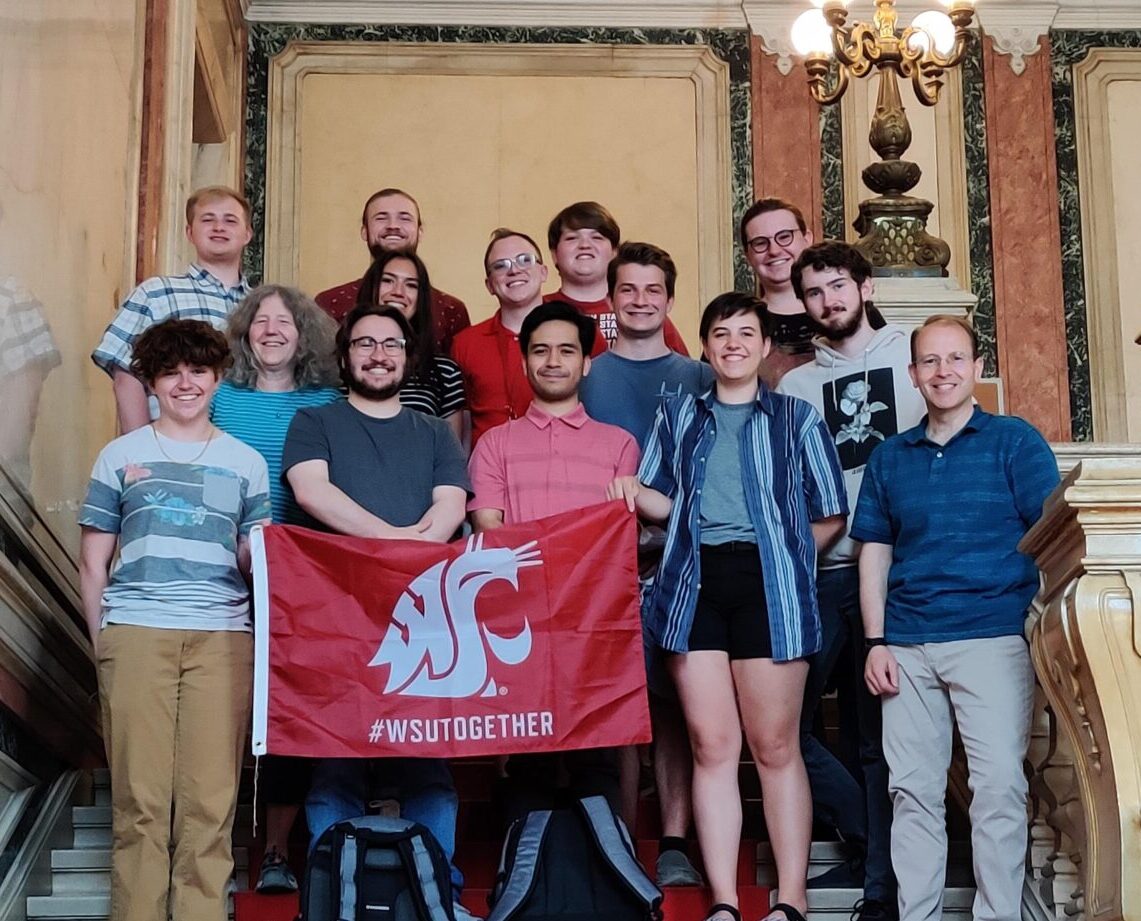
Our German department has been granted $36,000 by the Max Kade foundation for their 2026 study abroad program in Berlin! This grant will provide the most assistance students have ever been given for this program – $1800 per person. Thank you for you hard work, Dr. Bonzo!
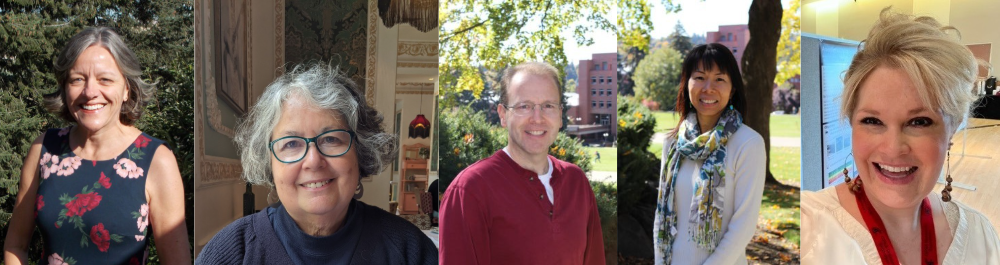 We are very proud of the participation of five SLCR faculty members at the 78th Annual Convention of RMMLA (Rocky Mountain Modern Language Association). The conference took place in Spokane between October 16 and 18, 2025. Our faculty presented in the fields of General and Applied Linguistics, Practical Approaches to Teaching Languages, New Latin American Cinema, and Poetry of Generation of 1927. Joshua Bonzo gave a talk titled “Autonomy and Foreign Language Learner Writing Fluency,” Sabine Davis presented “Protest Songs/Chansons engagées to Teach Culture and Intermediate Grammar in College,” Kayo Niimi spoke about “The Role of Extensive Reading in Language Learning,” Amanda Hussein shared a chapter of her Ph.D. Dissertation titled “So…why did she stay? An analysis of gender, race, and colonized consciousness in the Dominican film Sand Dollars”, and Vilma Navarro-Daniels presented her research paper, “Carmen Conde, Poet of the Spanish Civil War.”
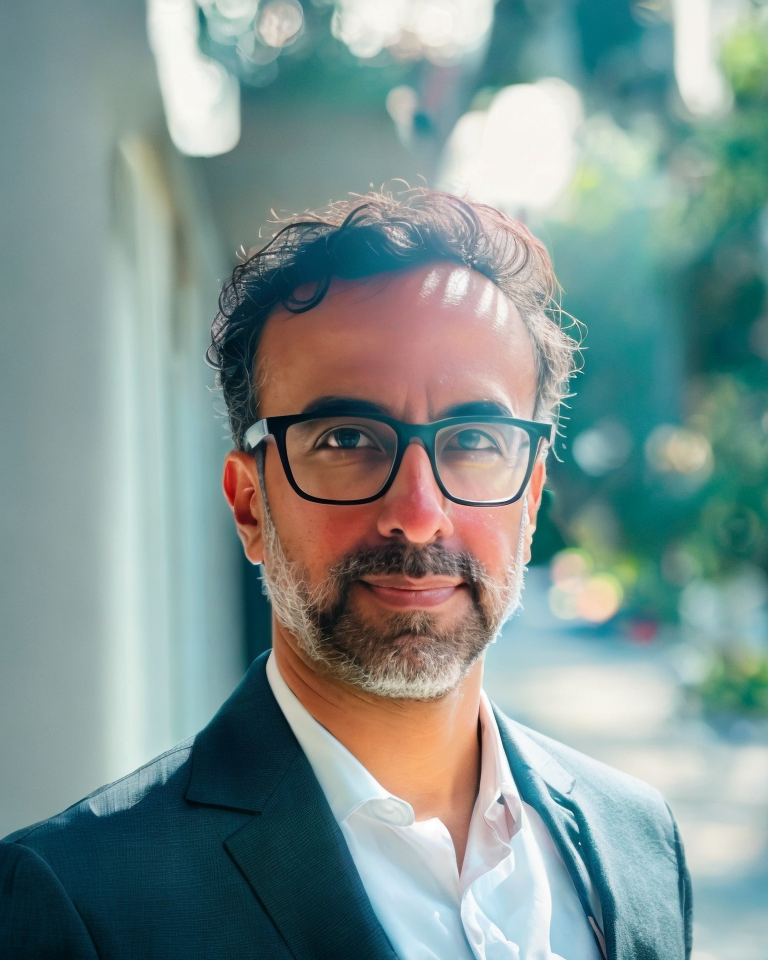 Dr Héctor Rendón has been invited to participate in the Hay Festival Dallas Forum on October 18th. As the Latino Book Review explains, the panel Narrativas Revolucionarias “will gather for a conversation on the power of narratives born in times of rupture and upheaval; how they reclaim memory, contest the status quo, and reshape cultural identity across borders. Narrativas Revolucionarias is an assertion that stories themselves are insurgent. In an America where books are banned, where memory is policed, and where belonging is contested, this panel will offer a radical counter-vision in which preserving memory is resisting erasure, telling one’s story is reclaiming existence, and to imagine ourselves anew is a revolutionary gesture”. Read the full article here.
 Dr. Weiguo Cao‘s work translating The Grand Scribe’s Records has been featured on WSU Insider. As the article explains:
“The Grand Scribe’s Records, or Shiji, is a sprawling, 130-chapter epic compiled more than 2,000 years ago by Sima Qian, a court historian under the Han Dynasty. It chronicles two millennia of Chinese history including the rise and fall of dynasties, the formation of philosophical schools such as Confucianism and Daoism, and the consolidation of imperial China under figures like Qin Shi Huang, the first emperor. The goal of the translation is to render the entire work, written in a form of Classical Chinese that is largely unintelligible to modern readers, into English with comprehensive scholarly annotation.”
Dr. Vilma Navarro-Daniels, Professor of Spanish and Film Studies, has just published her research paper “De un orden recibido a uno por construir: Lo crudo, lo cocido, lo podrido de Marco Antonio de la Parra” (“From a Dictated Social Order to an Order to Be Built: Marco Antonio de la Parra’s The Raw, the Cooked, the Rotten”) in Contextos. Estudios de Humanidades y Ciencias Sociales, Metropolitan University of Educational Sciences Press, Chile. In her article, Vilma argues that Marco Antonio de la Parra questions an elitist vision of national identity that originated in Chile’s foundation as an independent republic, that deepened during Augusto Pinochet’s dictatorship, and that has strengthened during the three decades of democratic governments afterwords.
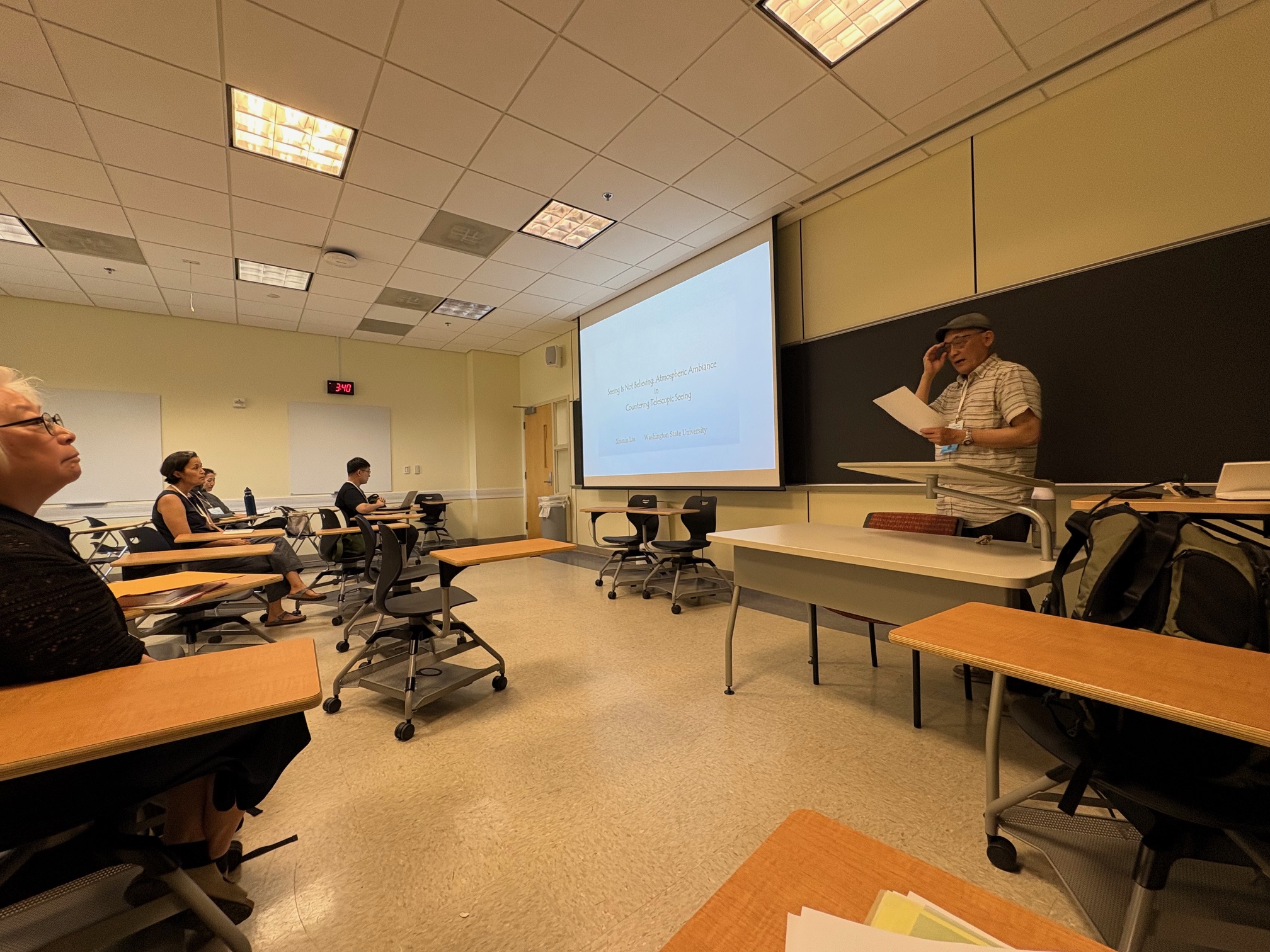 Dr. Xinmin Liu attended the 2025 Conference of ASLE (Association for Studies of Literature and Environment, biennial) held at College-Park, University of Maryland, on July 8-11, 2025. The conference theme is Collective Atmospheres: Air, Intimacy, and Identity, and Dr. Liu made a panel presentation entitled “Seeing Is Not Believing: Atmospheric Ambience in Countering Telescopic Seeing” on July 10 in a panel focusing on East Asian Eco-cinema organized by Dr. Kiu-wai Chu (Nanyang Technological University, Singapore).
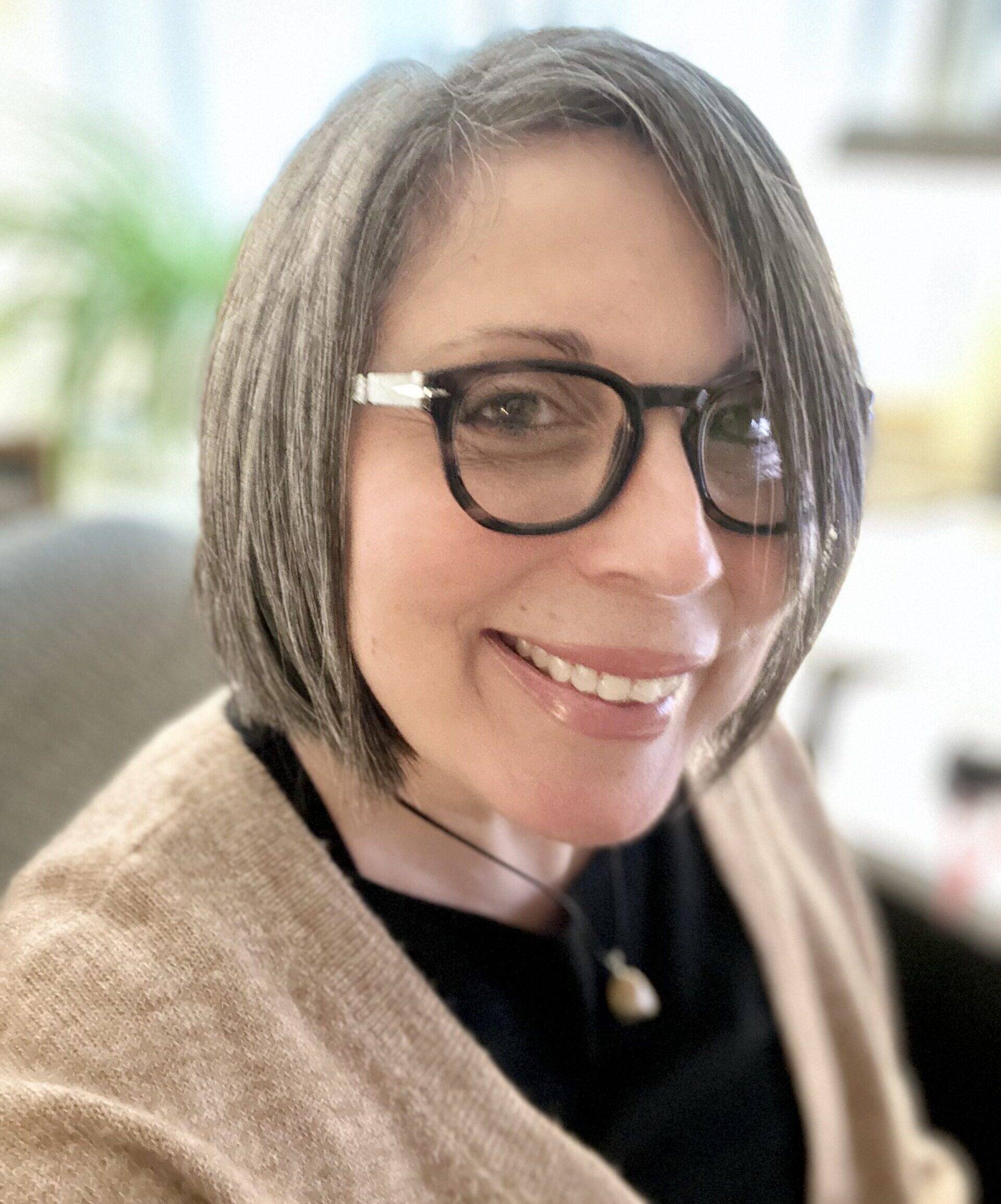
Congratulations to Dr. Carmen R. Lugo-Lugo (Comparative Ethnic Studies and American Studies and Culture, SLCR Vancouver campus), who has just published her first fictional piece. Please, enjoy the reading of Dr. Lugo-Lugo’s short story, “Calle Barbosa”.
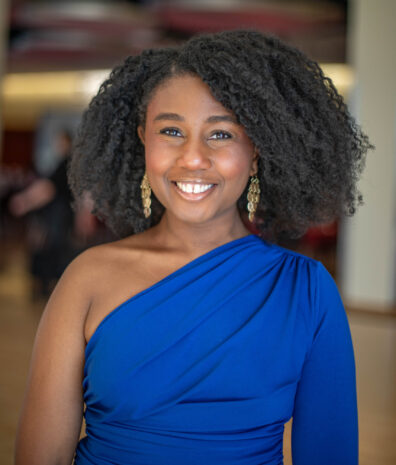 Ashley Wells, Ph.D. candidate in American Studies and Culture, has been named a 2025 Publicly Engaged Fellow. This award is granted by the David G. Pollart Center for Arts and Humanities after a very competitive review process. It provides funds to develop the proposed project. Ashley’s proposal title is Grace & Grounding: A Dialogue Series on Black Women, Mental Health, and the Church.
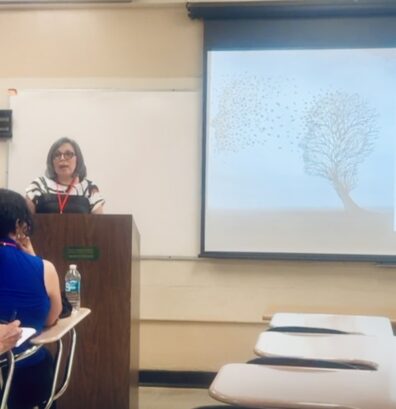 Dr. Carmen R. Lugo-Lugo presented her essay “The Multiple Timelines and One Love of a Puerto Rican in the Diaspora” at the LASA Puerto Rico Section Conference, which took place from March 27-29 at the University of Puerto Rico Mayagüez (UPRM). Lugo-Lugo’s presentation was part of the panel titled “Mirando desde la diáspora futuros imaginarios: Reflections about Migration Trauma, Returns, and New Social Movements.”
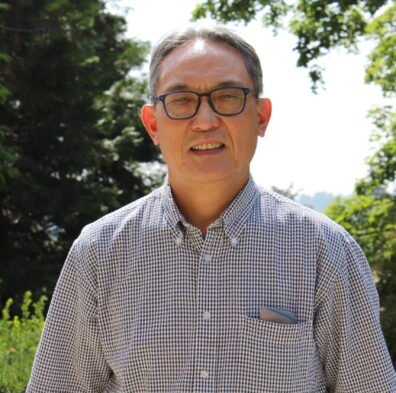 Dr. Xinmin Liu has been granted a professional leave for Spring 2026. Dr. Liu will be working on his project, Rekindling the Ecological Imaginary with China’s Agrarian Heritages.
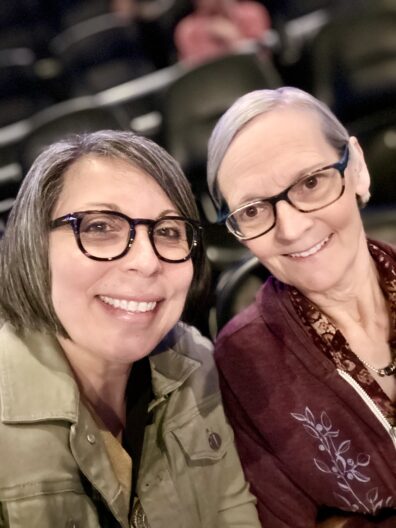 Drs. Carmen Lugo-Lugo and Mary Bloodsworth-Lugo have published an article titled “Managing Life and Managing Death: the commonwealth of Puerto Rico, bio/necropolitical production, and a new wave of settler colonialism” in the journal Settler Colonial Studies.
In this article, we pair biopolitics (the production of social life) with necropolitics (the production of death), as we maintain that they operate together in Puerto Rico where the management of life in its totality and ‘the subjugation of life to the power of death’ run concurrently. This creates the climate for a catastrophic shift in population. We argue that contemporary colonial and legal maneuvers act to protect the political status of Puerto Rico as a Commonwealth. The Commonwealth is kept running so it can make live a foreign population at the expense of the local population that is being made/left to die or disappear. This combination is shaping a third wave of settler colonialism on the island(s). Thus, when referencing biopolitical and necropolitical power in Puerto Rico, we are referring to aspects of Puerto Rico’s status as a legal colony of the United States that have led both to a thriving colonial status and a declining and shifting population.
One of our Chinese majors, Adrianna Rick, was interviewed in The Daily Evergreen about her her study abroad in China. You can read the article here!
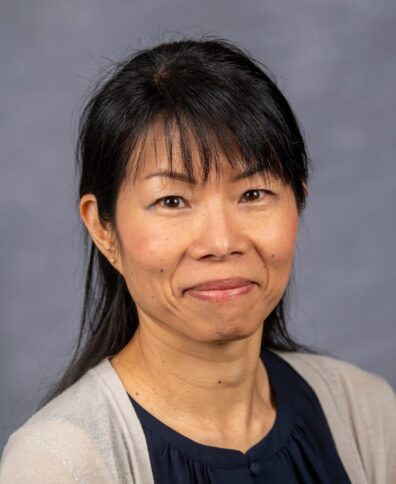 Associate Professor of Japanese Kayo Niimi has been selected as an Oka Scholarship recipient for the Japanese Strand at the Summer Seminar, which is being conducted as part of the World Language Summer Seminar for Language Teachers that will take place at the University of California, Santa Barbara, in July 2025.
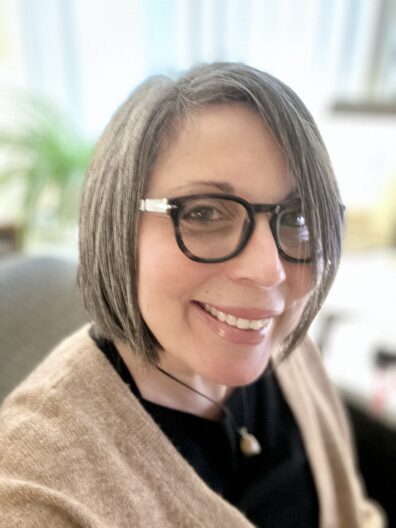
Dr. Carmen R. Lugo-Lugo, Professor of Comparative Ethnic Studies and American Studies and Culture, recently published a collective piece with members of the online forum Latinx Talk‘s Advisory Board. The piece is titled “Latinx Studies Scholars Consider a New Administration in 2025″ and can be accessed here.
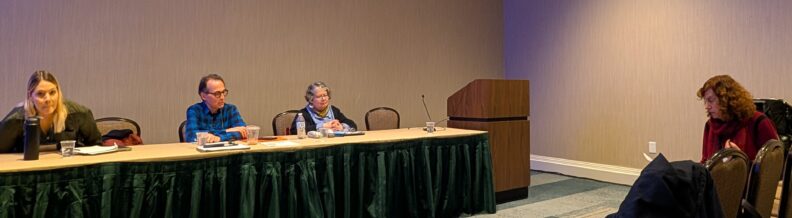
On Sunday, January 12, Dr. Vilma Navarro-Daniels, Professor of Spanish and Film Studies, presented her paper “Shifting Narratives of Age in New Chilean Cinema: The Case of Nicol Ruiz Benavides’s Forgotten Roads” at the MLA Annual Convention, held in New Orleans, Louisiana. In her presentation, Vilma argues that Ruiz Benavides reverts the mainstream representations of old women that reinforce the hegemonic discourse of ageing as decline. At the same time, Ruiz Benavides is one of several Latin American women filmmakers who are deconstructing the epistemological function of cinematic representations of the ageing female body which constitutes the basis of an ethical, social, and political attitude towards the processes of ageing and the ways our society gives meaning to such processes.
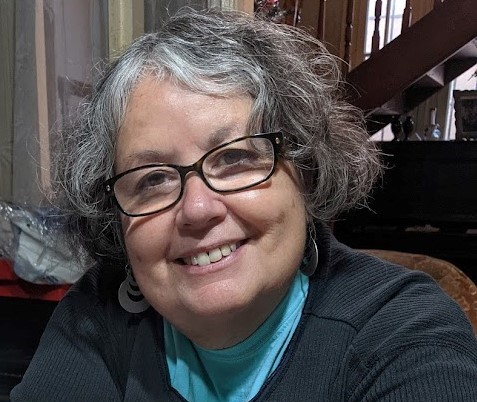 Dr. Vilma Navarro-Daniels, Professor of Spanish and Film Studies, and Interim Director of the School of Languages, Cultures, and Race, has just been elected to the Modern Language Association of America (MLA) Delegate Assembly for a three-year term to represent the geographic membership region of the Western United States and Western Canada: Alaska, California, Hawai‘i, Idaho, Nevada, Oregon, Washington; Alberta, British Columbia, Manitoba, Saskatchewan. The Delegate Assembly is the MLA’s largest body of governance, and its members play an invaluable role in shaping the future of the profession.
In addition, Dr. Navarro-Daniels has been invited to serve on the Age Studies Forum for the MLA. Members of the committee serve five-year terms and are responsible for developing panels and/or roundtables for the annual MLA convention and generally promoting the field of Age Studies. They frequently collaborate with other MLA forums and committees to create intersectional panels and roundtables. The MLA Age Studies Forum wrote: “Given Vilma’s background in film studies and literary studies as well as the international and interdisciplinary dimensions of her research, we are very excited about the prospect of working with her!”
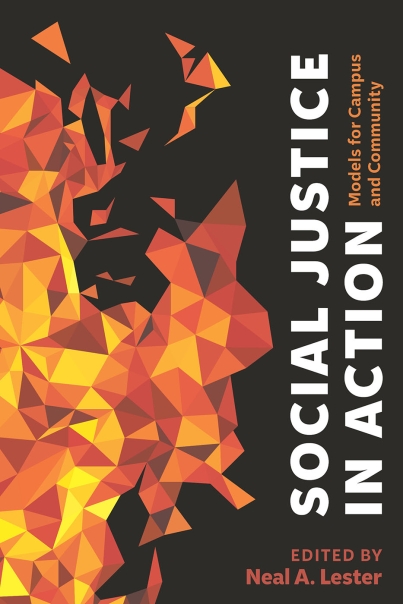 Dr. John Streamas, Associate Professor of Comparative Ethnic Studies and American Studies and Culture, has published the chapter “Overselling Higher Education to Communities of Color” in the book Social Justice in Action. Models for Campus and Community edited by Neal A. Lester.
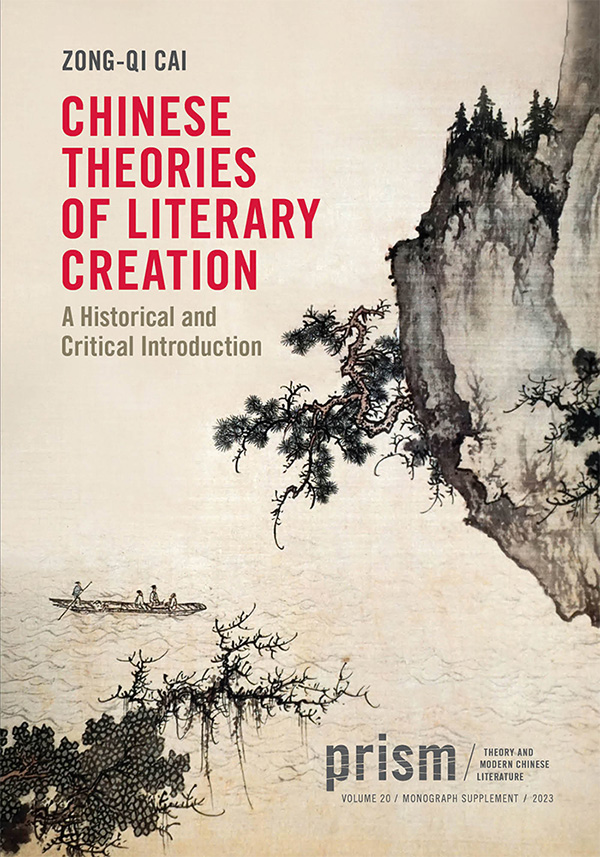 Dr. Xinmin Liu, Associate Professor of Chinese, published the article “Greenwashing, Simulated Green and Beyond: Yi-fu Tuan and His Embodied Simulation of Habitats” in Prism: Theory and Modern Chinese Literature published by Duke Univerity Press.
“Greenwashing” refers derogatorily to the “perfect” images of green-and-lush scenery presented by corporate-led publicity campaigns to promote their environment-friendly postures, while they continue with their toxic and harmful business operations. Dr. Liu’s critique of greenwashing goes through a comparison between greening and greenwashing, followed by a critique of counterfeit green and beyond. As Dr. Liu examines countering ethnic ethos and cultural modalities towards the green color to promote ecological awareness, he focuses mainly on the capacity of human cognitive affect for conceiving green as a key venue to rebuild corporeal ties with their biophysical settings and guard against their misuse of green to “fix” landscapes and turn them into desirable human habitats. Dr. Liu revisits Zhang Chengzhi’s ethnic root-searching in North China, where he seeks out the ethnic ethos by working and living among communities of Mongolian and Hui Chinese. While rejecting a disinterested investigation of the local ethnic and cultural “sites” by way of a telescopic gaze, Zhang firmly lays down a battleline against the intrusive gaze of the National Geographic in China and defends a more topophilic approach to study the embodied ways of the Chinese Muslims and stress their distinct forms of dwelling in tune with their natural surroundings.
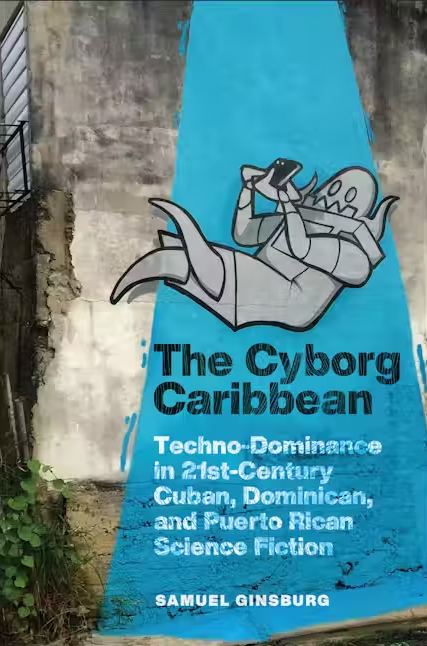 Dr. Samuel Ginsburg, Assistant Professor of Spanish, Comparative Ethnic Studies and American Studies and Culture, has published the book The Cyborg Caribbean.
The Cyborg Caribbean examines a wide range of twenty-first-century Cuban, Dominican, and Puerto Rican science fiction texts, arguing that authors from Pedro Cabiya, Alexandra Pagan-Velez, and Vagabond Beaumont to Yasmin Silvia Portales, Erick Mota, and Yoss, Haris Durrani, and Rita Indiana Hernandez, among others, negotiate rhetorical legacies of historical techno-colonialism and techno-authoritarianism. The authors span the Hispanic Caribbean and their respective diasporas, reflecting how science fiction as a genre has the ability to manipulate political borders. As both a literary and historical study, the book traces four different technologies—electroconvulsive therapy, nuclear weapons, space exploration, and digital avatars—that have transformed understandings of corporality and humanity in the Caribbean. By recognizing the ways that increased technology may amplify the marginalization of bodies based on race, gender, sexuality, and other factors, the science fiction texts studied in this book challenge oppressive narratives that link technological and sociopolitical progress.